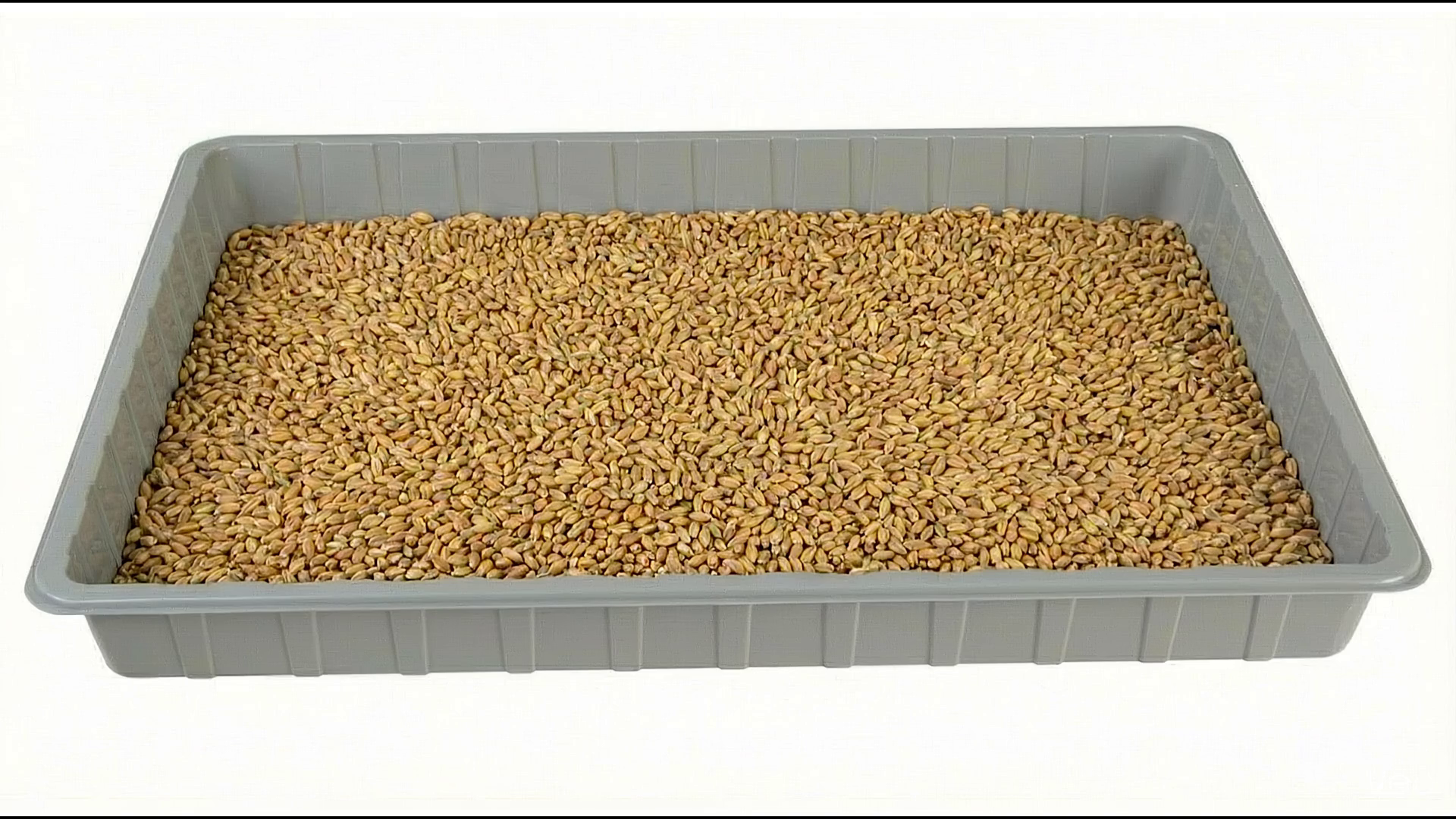
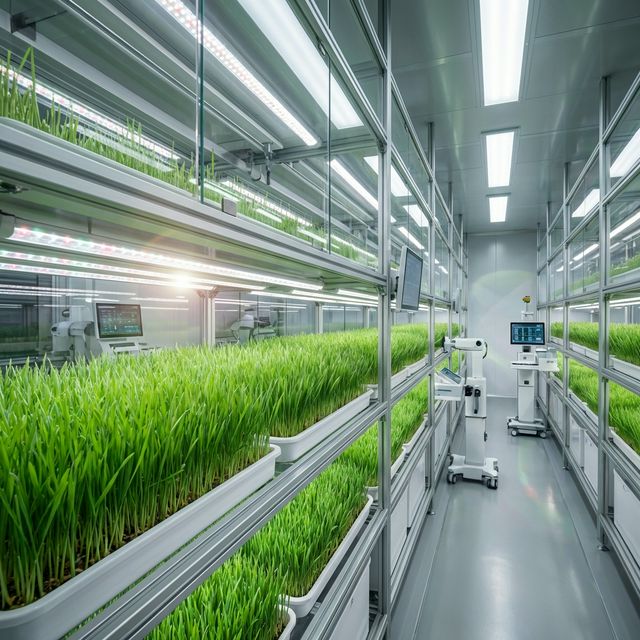
Hydroponic Green Fodder (HGF)—typically barley, wheat, oats, or corn sprouted over 7–10 days—is used in dairy systems as a fresh supplement within a properly balanced ration (TMR or PMR). Research indicates that HGF can improve overall metabolic performance and nitrogen efficiency.
Production Benefits in Dairy
Recent trials report higher milk production and improved feed efficiency (more milk per pound of dry matter intake). Hydroponic barley is associated with improved nitrogen efficiency depending on formulation.
- Enhanced productivity & Feed efficiency
- Optimization of milk solids (Fat & Protein)
- Relevant changes in fatty acid profiles
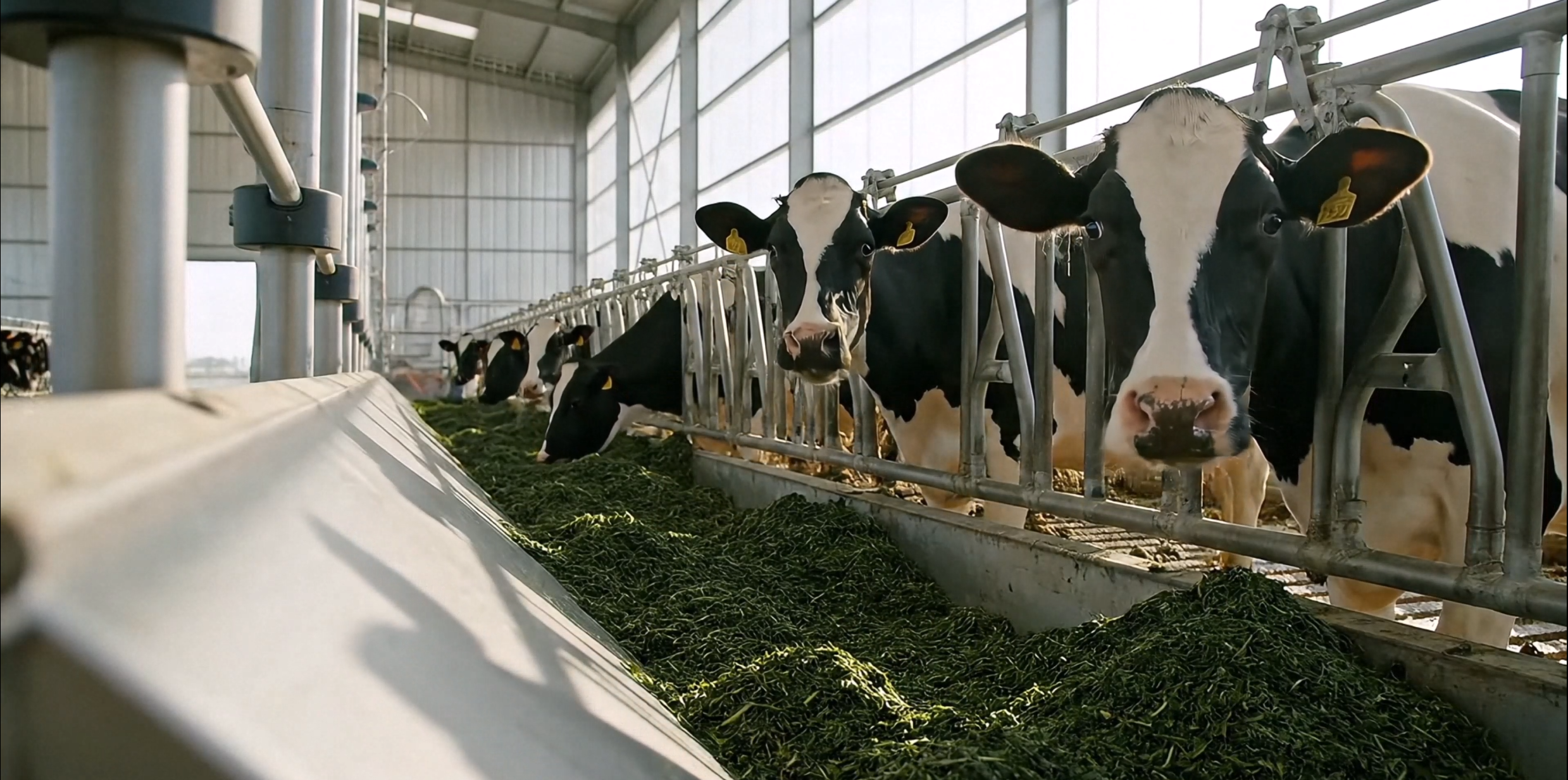
Nutritional & Rumen Function
Enzymatic activity during germination breaks down complex starches into absorbable forms. HGF provides fresh structural plant material that contributes to rumination stability.
- Improved nutrient bioavailability
- Live enzymatic synergistic effects
- Stability under forage stress/drought conditions
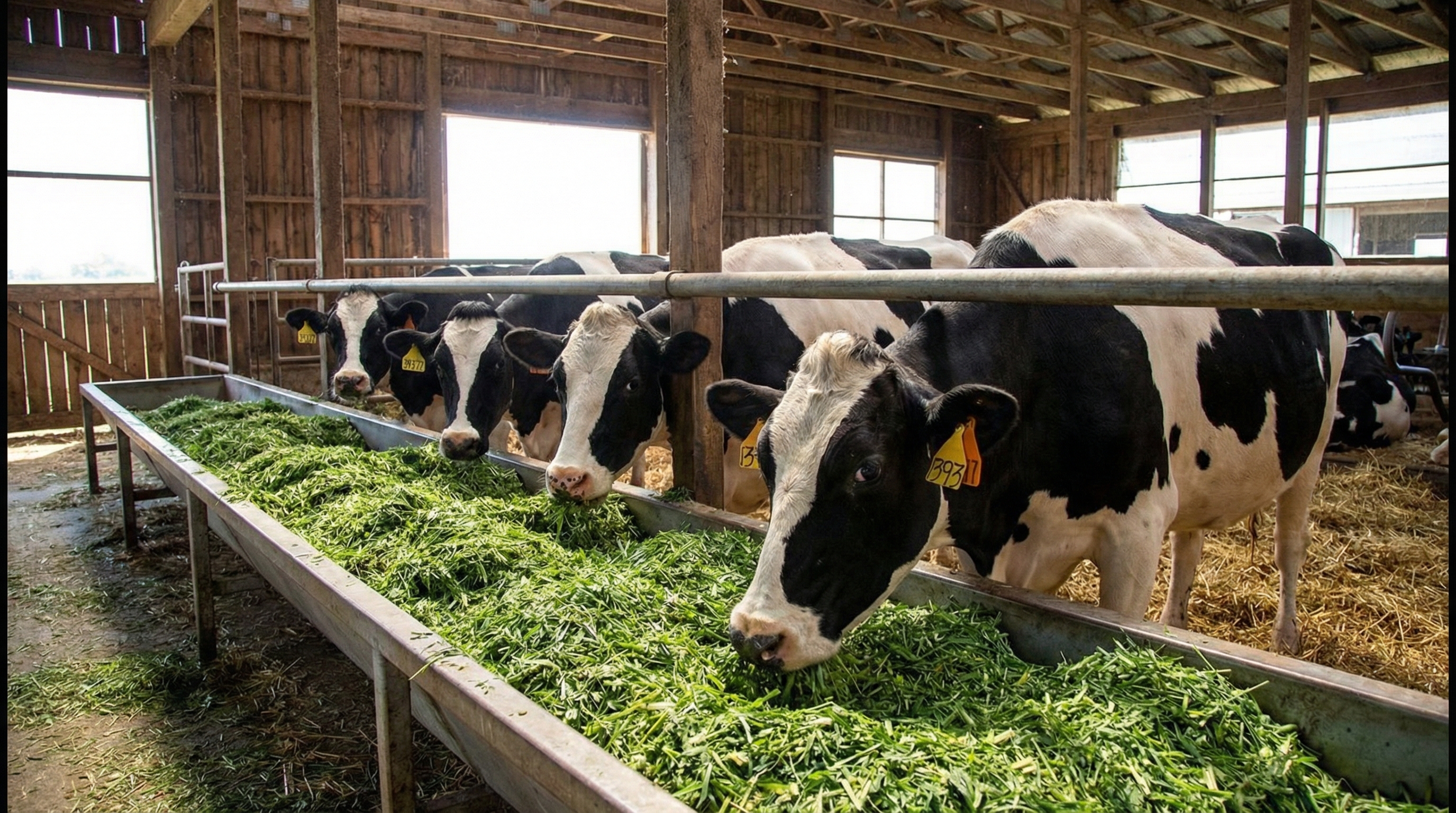
Operational Advantages
365-day forage consistency reduced weather-dependent Harvesting cycles. Facilitates ration adjustment by group (Fresh cows, Peak lactation, Transition).
Practical Inclusion
Typical inclusion at 11-12% of total diet DM. Used as a high-density supplement, not a sole source, to protect nutrient balance and metabolic health.
DM vs Fresh Weight
While 1 lb of seed yields 6-8 lbs fresh, evaluations focus on actual nutrient contribution. Evaluate your TMR based on metabolic protein and energy density.
Contact Us05 Critical Quality Control
The humid environment required for sprouting favors fungal growth. In dairy systems, mycotoxins can negatively affect reproduction and be transferred to milk (Aflatoxin M1), which is strictly regulated.
- Strict sanitation & ventilation protocols
- High-quality seed selection & monitoring
- Immediate disposal of contaminated trays
- Daily temperature and humidity control
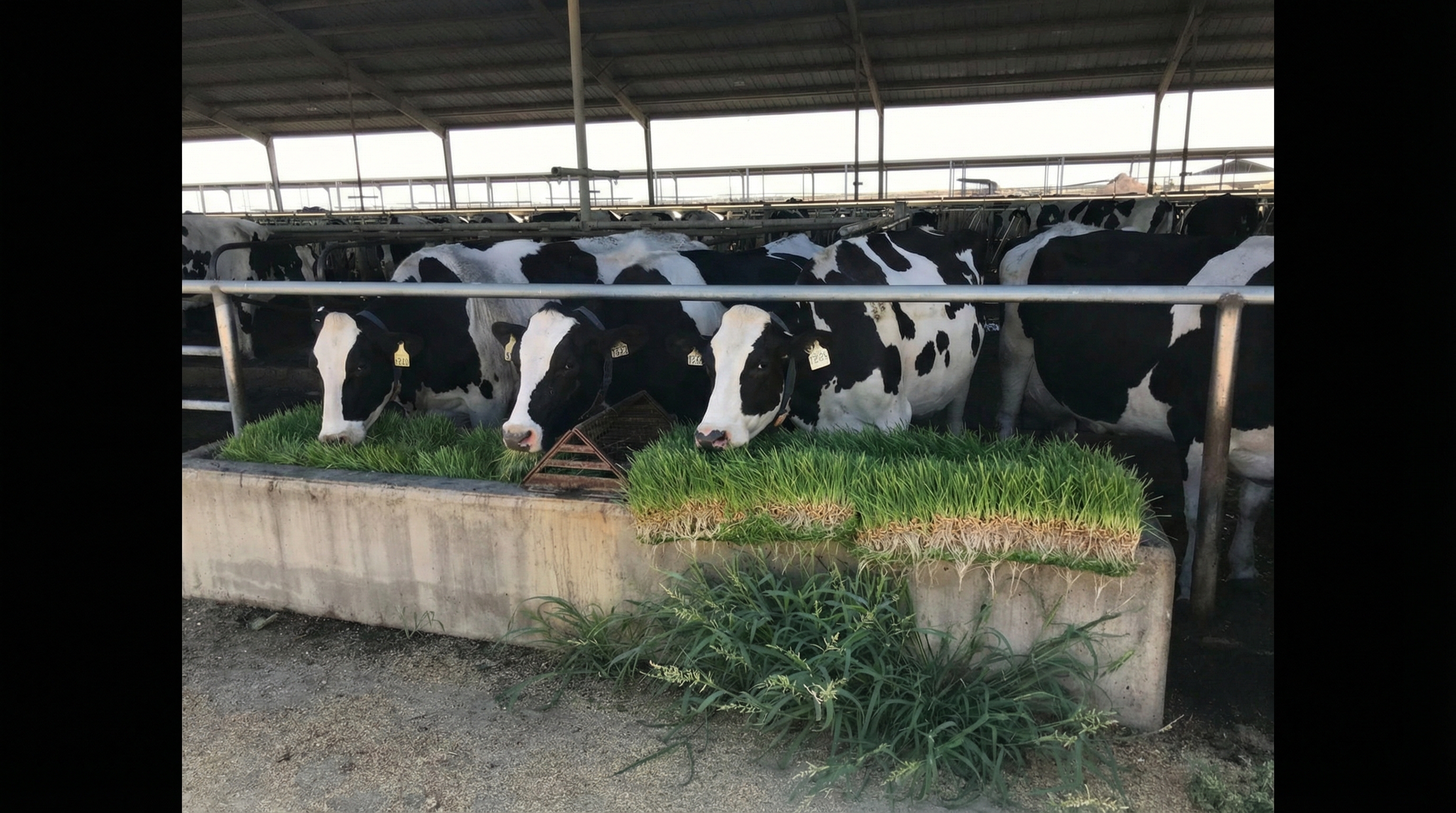
Clean Health & Pesticide-Free Assurance
One of the most significant advantages of Hydroponic Green Fodder (HGF) is its absolute purity. Cultivated in a controlled, soil-less environment, the fodder is free from soil-borne pathogens, pesticides, herbicides, and fungicides that are common in traditional field crops.
Impact on Dairy Cow Health:
- Detoxification: Eliminating agrochemicals reduces the toxic load on the cow's liver and kidneys, promoting longevity and metabolic efficiency.
- Immune System Boost: Rich in Vitamins A (vital for mucous membranes), C, and E (powerful antioxidants), HGF strengthens the natural immune response.
- Scientific Consensus: Research indicates that fresh, enzymatically active fodder can improve "Good Health" and "Appropriate Behavior" scores in welfare assessments, reducing the incidence of metabolic disorders.
Scientific Note on Purity
"The absence of synthetic pesticides in feed mitigates the risk of bioaccumulation in livestock tissues and milk. Organic and pesticide-free feeding systems are clinically associated with reduced inflammatory markers and improved long-term reproductive health."
— *Journal of Dairy Science & Agricultural Research Reviews*
Contact UsCattle Feed Executive Summary
Key takeaways for modern dairy operations.
Improved Efficiency
Potential increases in milk yield and solids when properly formulated into TMR.
365-Day Reliability
Reducing vulnerability to drought, flooding, and seasonal forage variability.
Enhanced Digestibility
Complementary support of rumen function through live enzymatic activity.
Low Footprint
Reduced dependence on large-scale land usage and traditional forage logistics.