Supply Innovation

Fodder as a Service (FaaS)

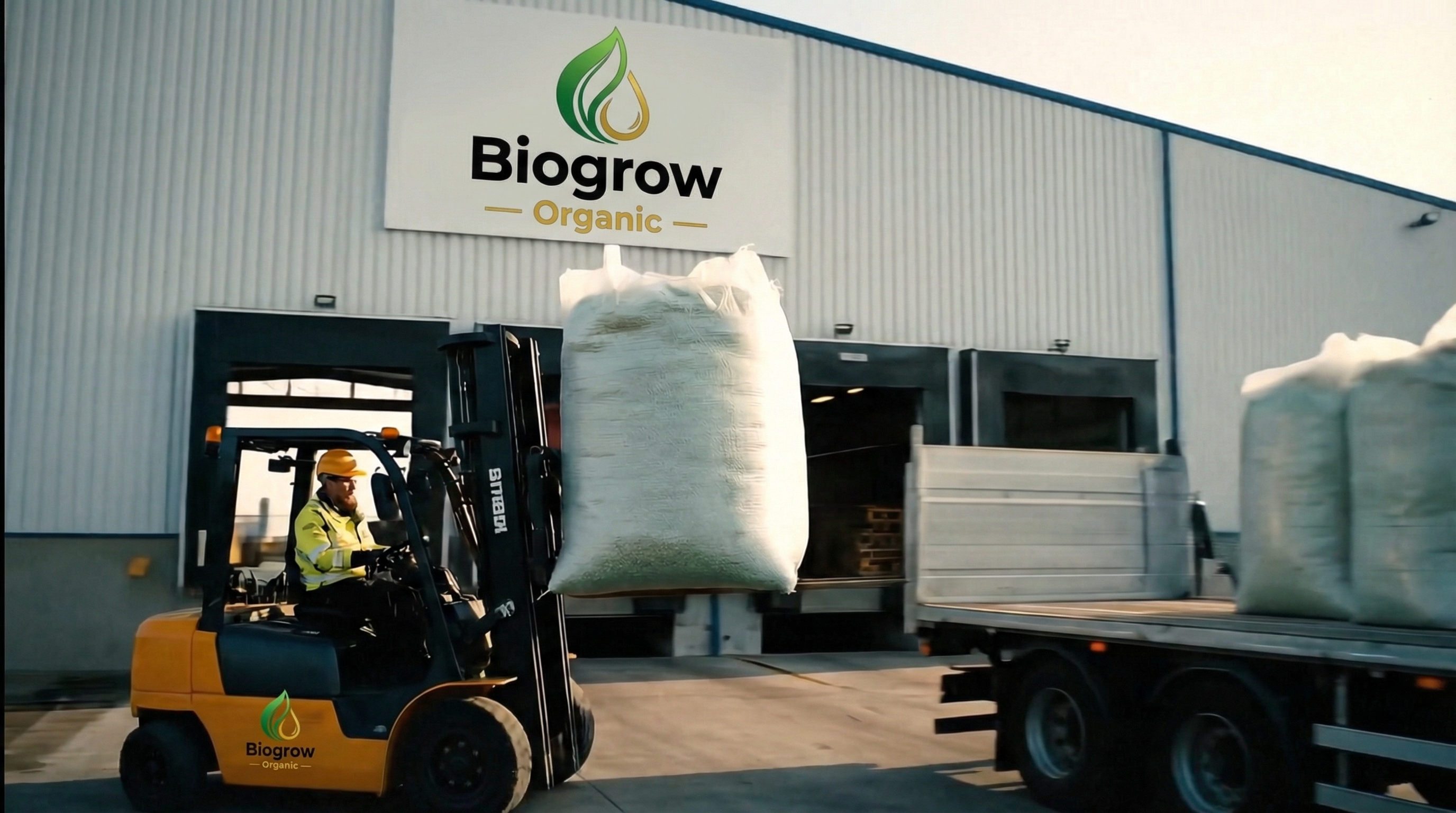
Fodder as a Service (FaaS) is an innovative supply model that allows livestock producers to receive the exact daily ration of hydroponic green fodder their animals require—365 days a year—without the need to invest millions in infrastructure, equipment, or specialized personnel.

Instead of owning and operating a hydroponic facility, producers gain access to a reliable, predictable, and professionally managed forage supply as a service.

01

Zero Capital Investment

Building a hydroponic fodder plant requires specialized infrastructure, climate control, irrigation automation, and skilled staff. This represents a significant capital expenditure (CAPEX).

With FaaS, producers eliminate upfront investment and convert it into a manageable operating expense (OPEX), freeing up capital for core business priorities such as herd expansion, genetics, or land improvement.
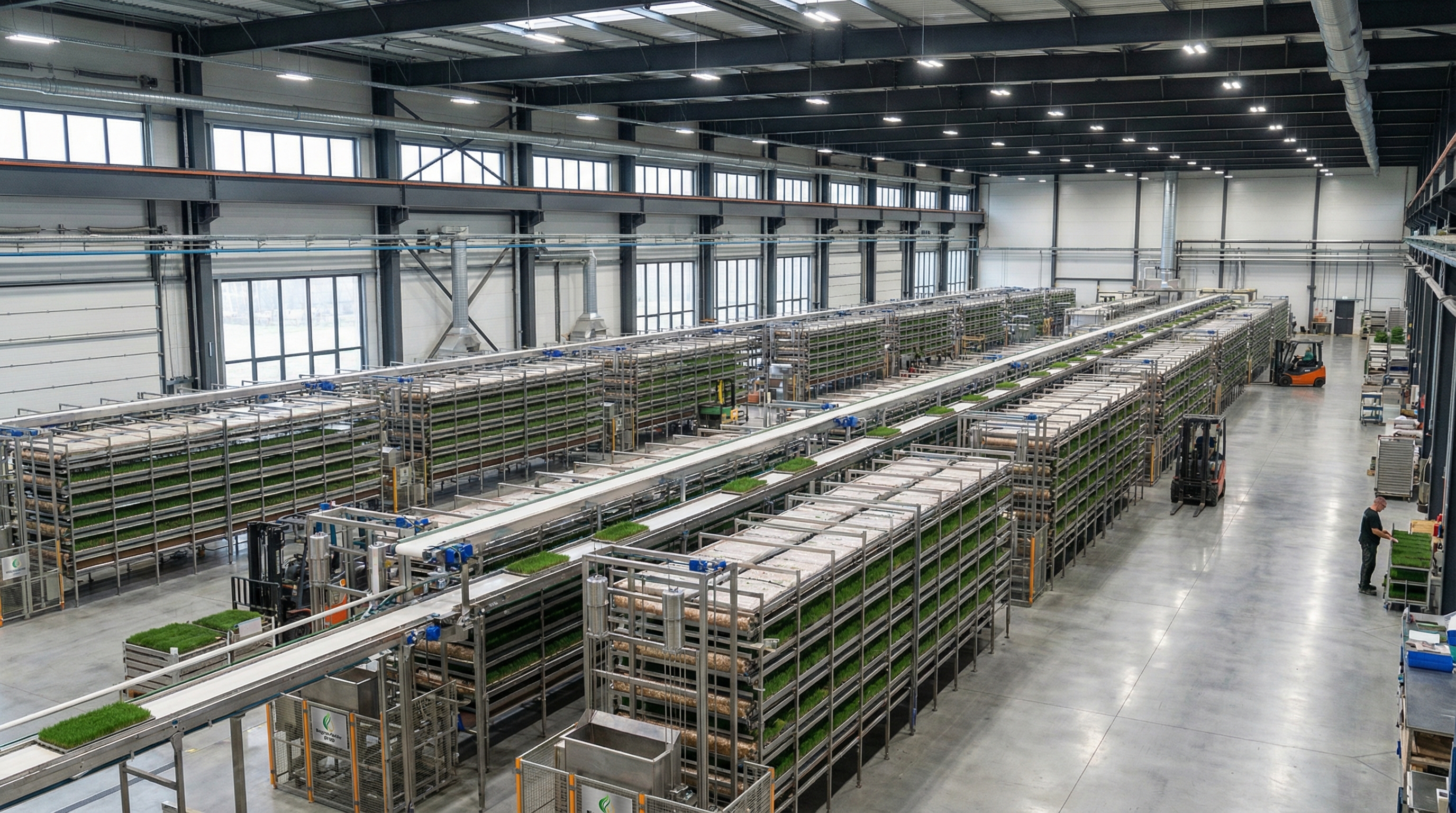
Biogrow FaaS Production Unit
02

Guaranteed 365-Day Supply

Climate variability—droughts, floods, extreme temperatures—directly impacts traditional forage. FaaS ensures daily delivery of fresh fodder with consistent nutritional quality, protecting animal performance year-round.

  • Daily delivery of fresh fodder
  • Consistent nutritional quality
  • Protection from seasonal shortages
High Quality Fodder Mat
03

Precise Daily Rationing

FaaS operates on a demand-based model: You receive exactly the ration your herd requires. Adjustments can be made according to herd size or production stage. No overproduction, no waste.

04

Predictable Costs

Traditional systems face volatility tied to weather and grain markets. FaaS provides fixed or predictable pricing structures, reducing exposure to volatility and improving financial planning.

05

No Operational Complexity

Responsibilities like monitoring, sanitation, and seed management are transferred to specialized operators. Producers focus entirely on livestock productivity rather than forage logistics.

06

Consistent Nutritional Quality

Because production is professionally managed, germination cycles are standardized and enzymatic activation is optimized. This improves herd performance and metabolic stability.

07

Scalability Without Infrastructure Expansion

As herd size increases, there is no need to build new facilities. FaaS allows for rapid scaling of supply and flexible adjustment to growth strategies without capital strain.

Strategic Advantage

Fodder as a Service transforms hydroponic green fodder from an infrastructure-heavy production system into a scalable, risk-managed nutritional solution. FaaS delivers performance, predictability, and flexibility—without the burden of owning the plant.

WHY HGF?

10 Strategic Advantages

A comprehensive breakdown of how Hydroponic Green Fodder transforms dairy efficiency.

01

High Nutritional Density

  • Enhanced nutrient availability: Germination activates enzymes that partially break down starches and storage proteins into simpler, more digestible compounds.
  • Improved mineral bioavailability: The reduction of antinutrients such as phytic acid increases the availability of phosphorus and other essential minerals.
  • Natural vitamin enrichment: Sprouting increases levels of vitamins A, C, E, and B-complex compared to dry grain.
  • Essential amino acids: Germinated grains provide lysine and other key amino acids that support muscle development and milk protein synthesis.
02

Superior Digestibility

  • High digestibility: HGF typically demonstrates high digestibility (often 80–90%), improving nutrient absorption efficiency.
  • Synergistic activity: The live enzymatic activity may contribute synergistically to overall ration digestibility.
  • Better conversion: Improved digestibility can translate into better feed conversion efficiency and metabolic performance.
03

Consistent 365-Day Production

  • Climate independent: Independent of climate conditions such as drought, frost, or flooding.
  • Stable output: Controlled environment production ensures stable, predictable output every day of the year.
  • Risk reduction: Reduces vulnerability to seasonal pasture fluctuations.
04

Water Efficiency

  • Less water usage: Hydroponic systems use significantly less water compared to traditional forage production per unit of dry matter produced.
  • Recycled water: Water is recycled within the system, minimizing waste.
  • Drought solution: Particularly valuable in arid or drought-prone regions.
05

Land Use Optimization

  • Minimal space: Requires minimal physical space compared to conventional forage crops.
  • Vertical maximising: Vertical production systems maximize output per square foot.
  • Ideal for limited acreage: Ideal for operations with limited acreage or high land costs.
06

Rapid Growth Cycle

  • Fast harvest: Production cycles typically range from 7 to 10 days from seed to harvest.
  • Quick response: Allows quick response to feed shortages.
  • Continuous supply: Provides a continuous, predictable harvest schedule.
07

Reduced Feed Storage Losses

  • Eliminates spoilage: Eliminates risks associated with hay spoilage, silage fermentation failures, or weather-damaged crops.
  • No long-storage: No long-term storage required—fodder is harvested and fed fresh.
  • Minimizes waste: Reduces dry matter losses that commonly occur in traditional forage systems.
08

High Palatability

  • Fresh & Green: Fresh, green fodder is generally highly palatable to cattle.
  • Stimulates intake: May stimulate intake, particularly during periods of heat stress or low pasture quality.
  • Uniform consumption: Can improve uniform feed consumption across the herd.
09

Operational Flexibility

  • Adjustable: Production levels can be adjusted based on herd size and nutritional needs.
  • Multi-species: Suitable for dairy cattle, beef cattle, horses, sheep, goats, and poultry.
  • Versatile integration: Can be integrated into TMR systems or used as strategic supplementation.
10

Environmental Sustainability

  • Lower carbon footprint: Lower carbon footprint compared to large-scale forage harvesting and transportation.
  • Reduced chemicals: Reduced need for herbicides and pesticides.
  • Soil preservation: Minimal soil degradation since no tillage is involved.
  • Sustainable model: Supports regenerative and sustainable livestock models.

Strategic Perspective

Hydroponic Green Fodder is not merely a substitute for traditional forage; it is a controlled, high-efficiency nutritional input designed to stabilize and optimize livestock production systems.

Nutrient bioavailability
Production consistency
Resource efficiency
Climate resilience
Operational scalability

When properly integrated into a balanced feeding program, HGF becomes a powerful tool for improving performance, managing risk, and enhancing long-term farm sustainability.

Ready to transform your farm?

Contact us today to receive a personalized FaaS quote based on your herd size and nutritional goals.

Request a FaaS Consultation